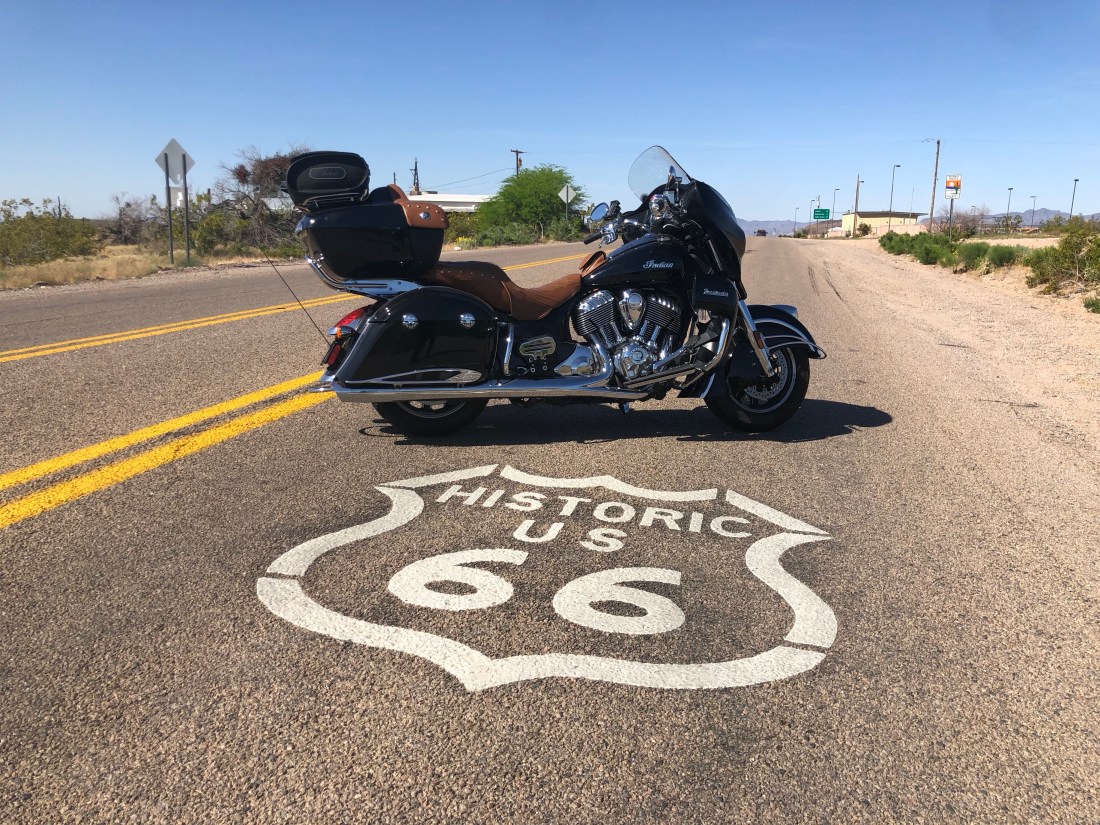
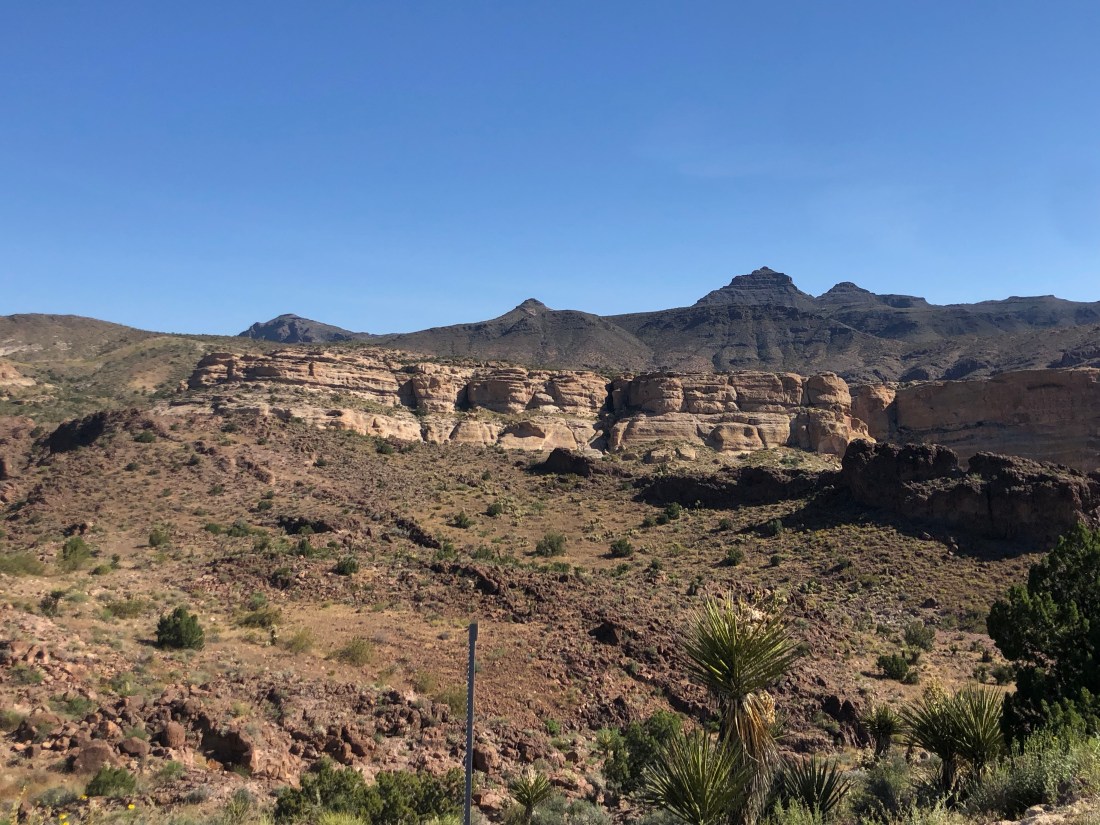
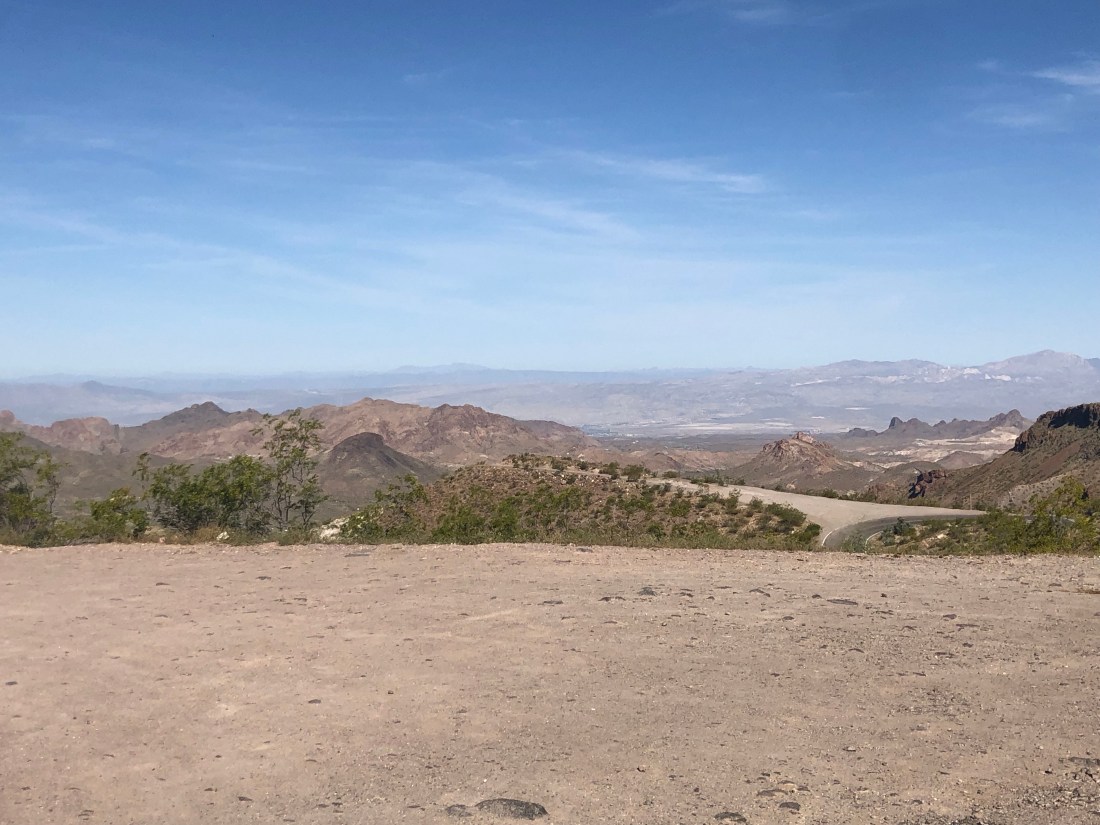
The last two days were enjoyed exploring the Arizona section of Route 66, the “Mother Road” as John Steinbeck named it in “Grapes of Wrath”. I entered US 66 from Needles, California and rode across the Topock Gorge, within the Havasu National Wildlife Refuge, and across the Black Mountains, through Oatman, Kingman, and Hackberry to Seligman, AZ.
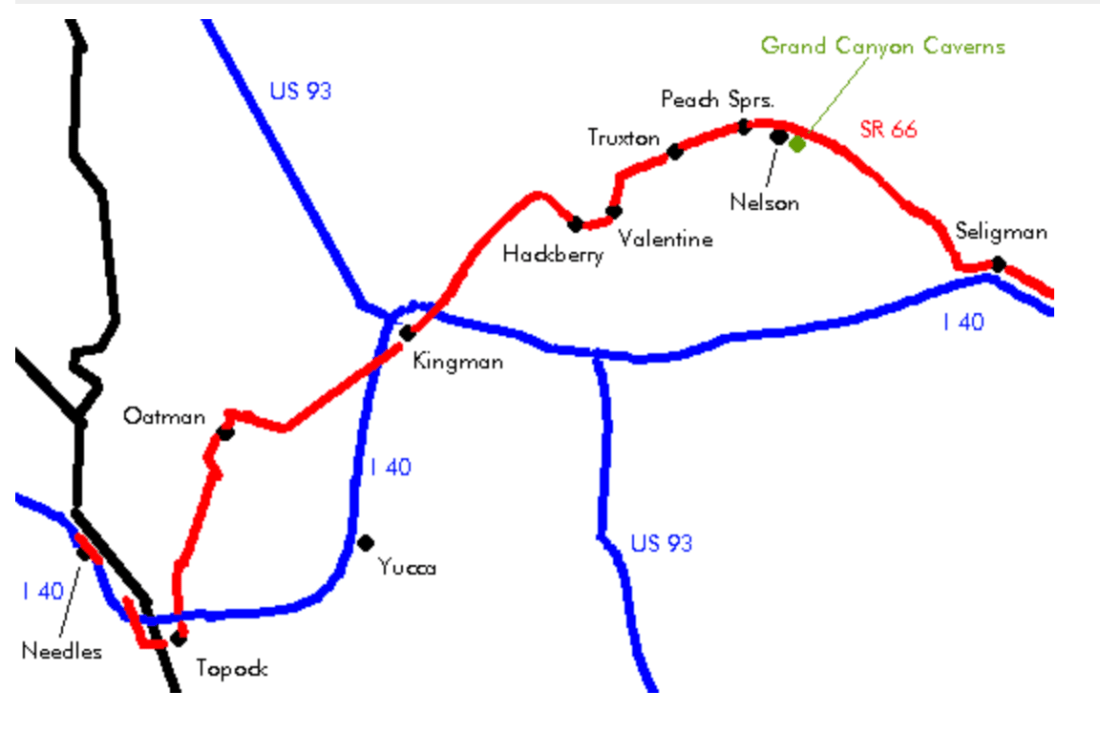
As background, Route 66 was one of the original highways in the U.S. Highway System. The road came to be in 1926 connecting Chicago to Los Angeles through small-town midwestern and western America. At first just a dirt road.
The highway became the main thoroughfare for western migration. Dustbowl refugees raised the dust of the road on their way to California in their Model T Fords in the 30s. The road was fully paved in the late 50s and saw World War II veterans migrate to California looking for sunnier pastures and in the 60s and 70s families drove to California to visit Disneyland and other sites.
As the road became more frequently traveled, small towns along the route flourished and became communities offering all the services and amenities the travelers needed. The towns grew, businesses were started, buildings constructed and populations exploded.
Arizona benefited greatly from this river of mankind. People discovered this misunderstood state and many found their homes in the small towns Route 66 traveled through.
However, in 1978 it all came crashing down, as if a light switch was thrown, with the opening of the Interstate, I-40, through Arizona. For example, the small town of Seligman saw traffic go from 9,000 cars passing through a day to 50. The towns dried up, businesses were shuttered and people moved away. Things looked bleak.
In the 1980s there was a small resurgence of this famous highway when Historic Route 66 Associations began to spring up from small towns such as Oatman, Kingman, and Seligman. These Associations petitioned state and the federal government to label the highway a “State Historic Route” and placed on the “National Register of Historic Places.”
These towns, to tough to die, now exist on tourism and holding events and gatherings.
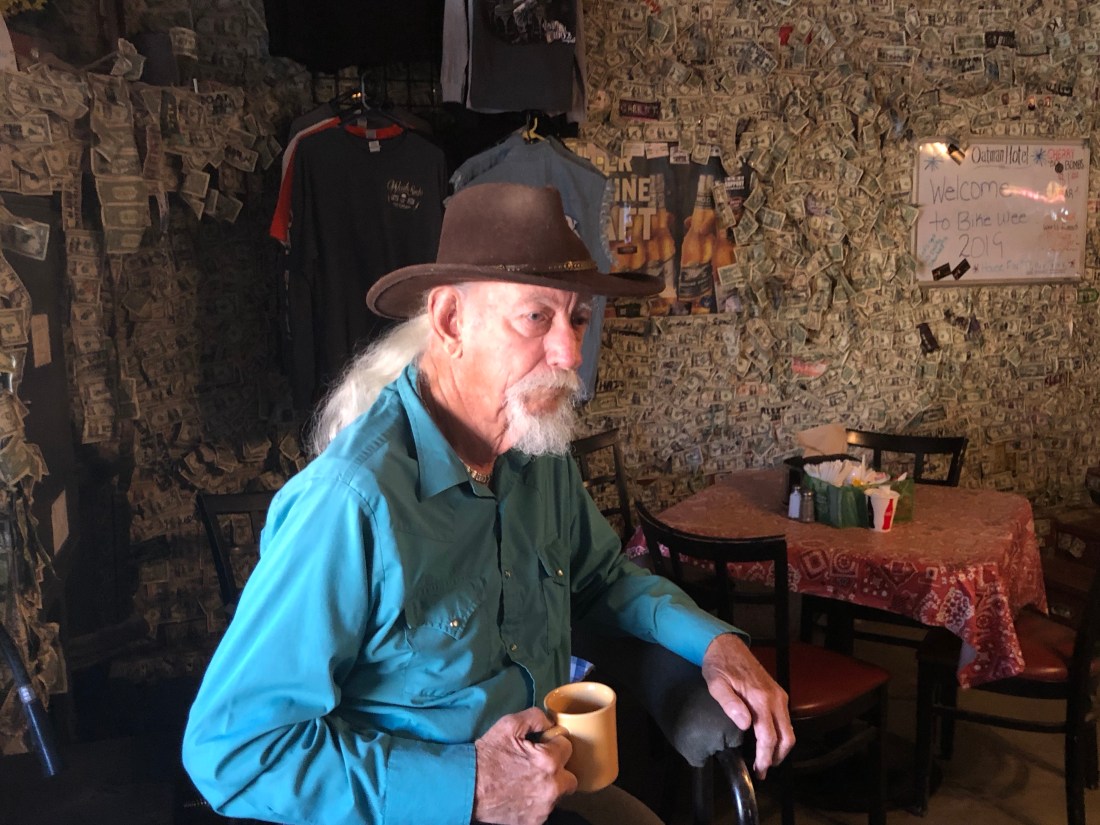
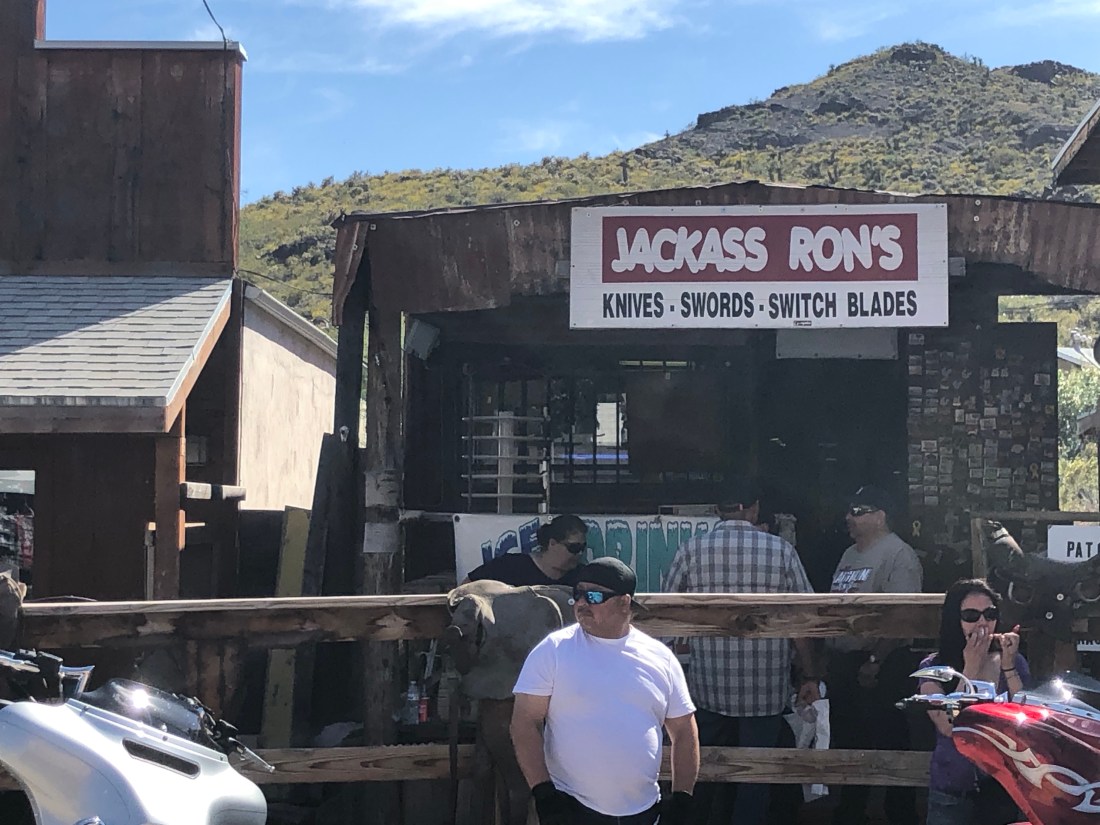
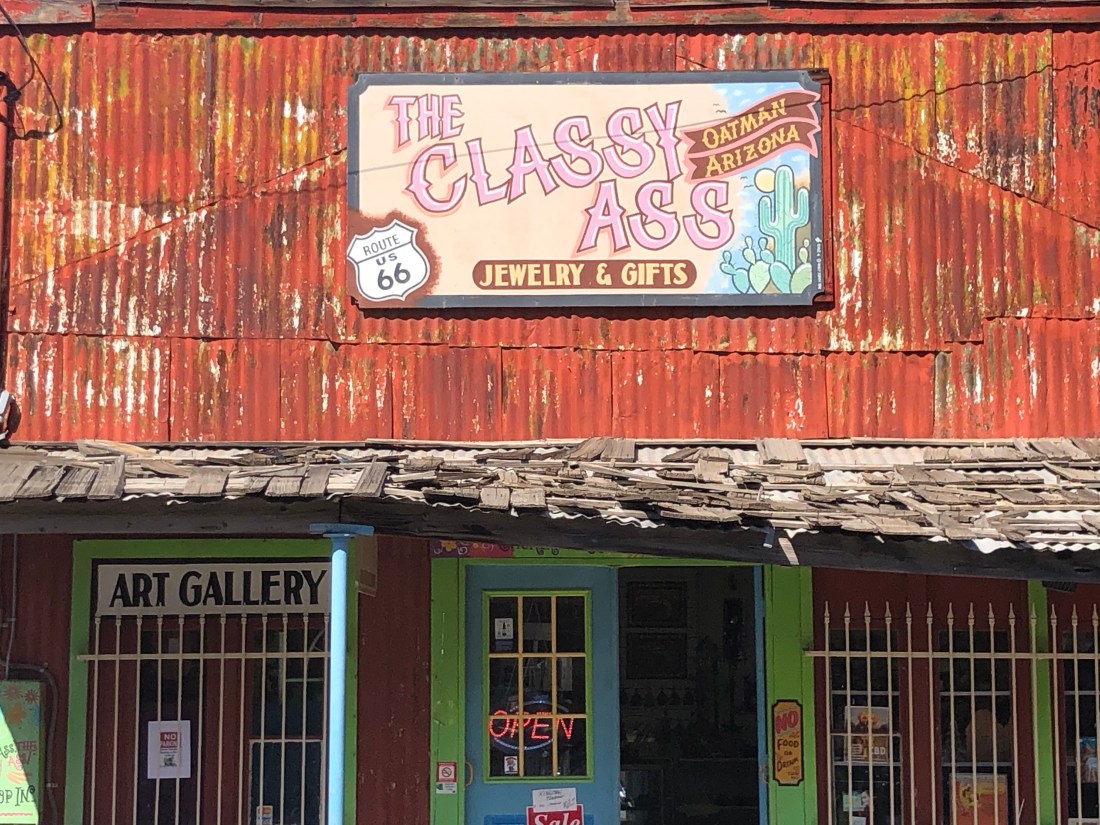
Oatman is a great example of a town too tough to die. Oatman has built a reputation for its raucous events, old west bars and wild burros who wander the town freely. The day I passed through, I was surprised to find an Oatman Motorcycle Rally.


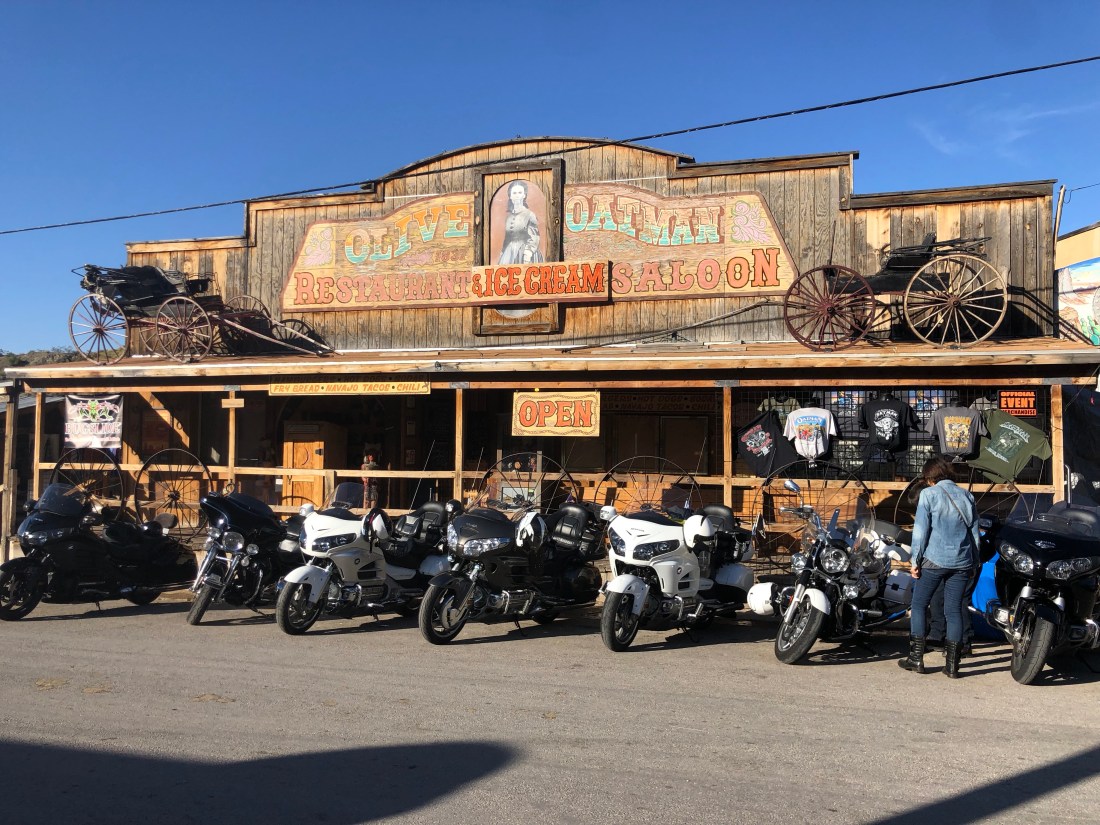
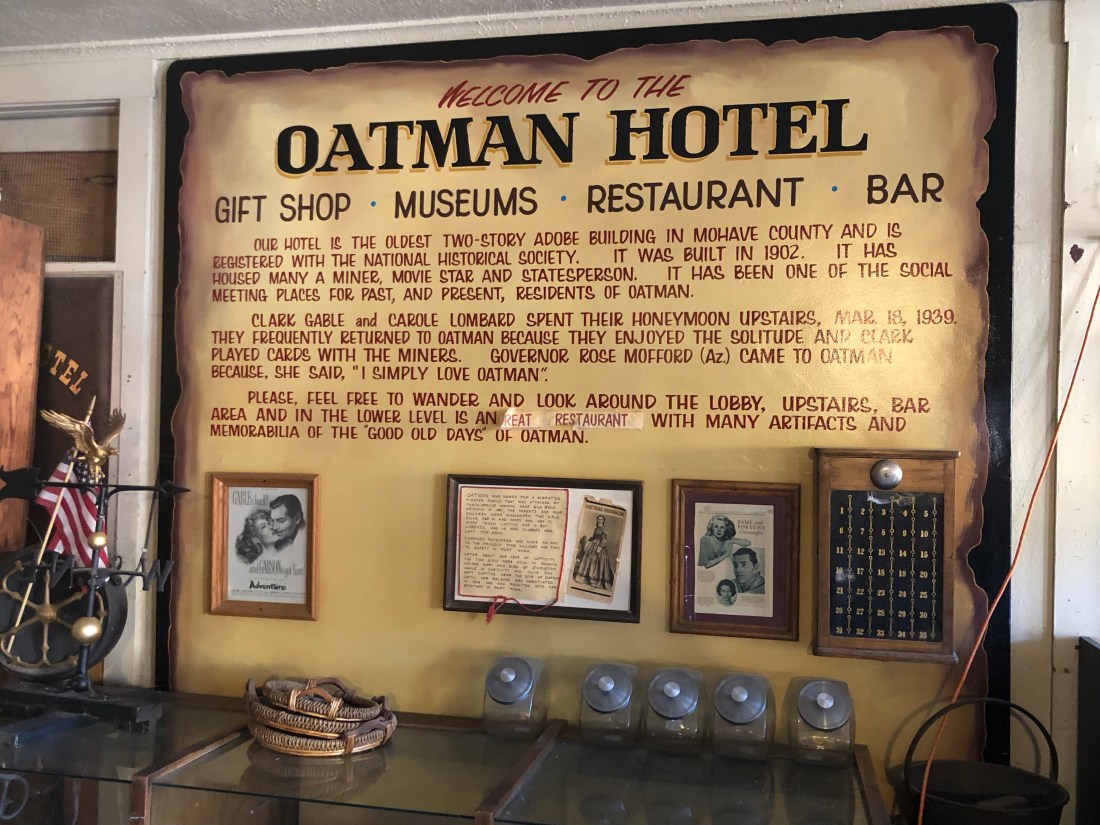
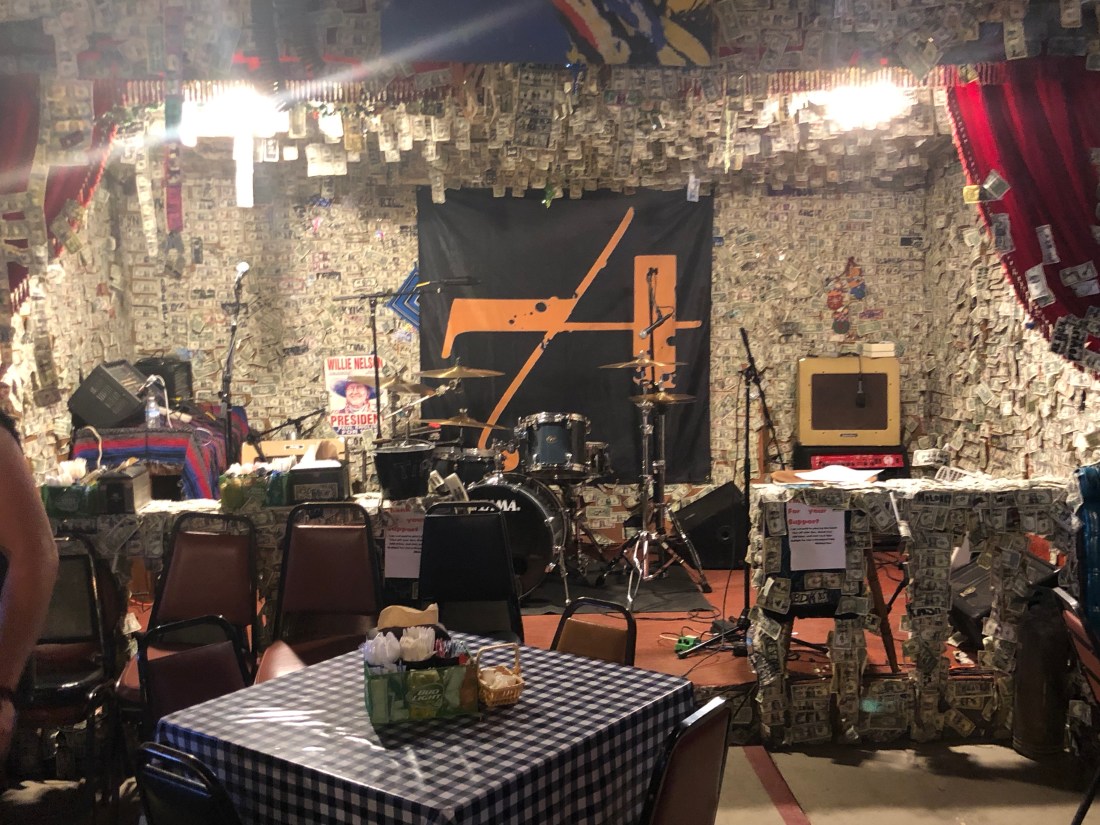
Oatman was full of characters. One gentleman I met was Fred. Fred was a miner. In the 60s and 70s, he mined gold and copper all over Arizona. Fred moved to Oatman in the 80s, to revitalize the gold mines that Oatman was known for. But, they had been played out. Fred never left and watched as Oatman made a comeback as a tourist town

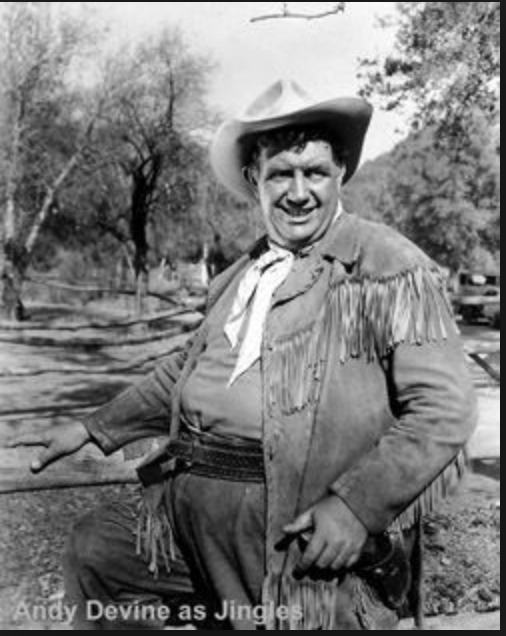
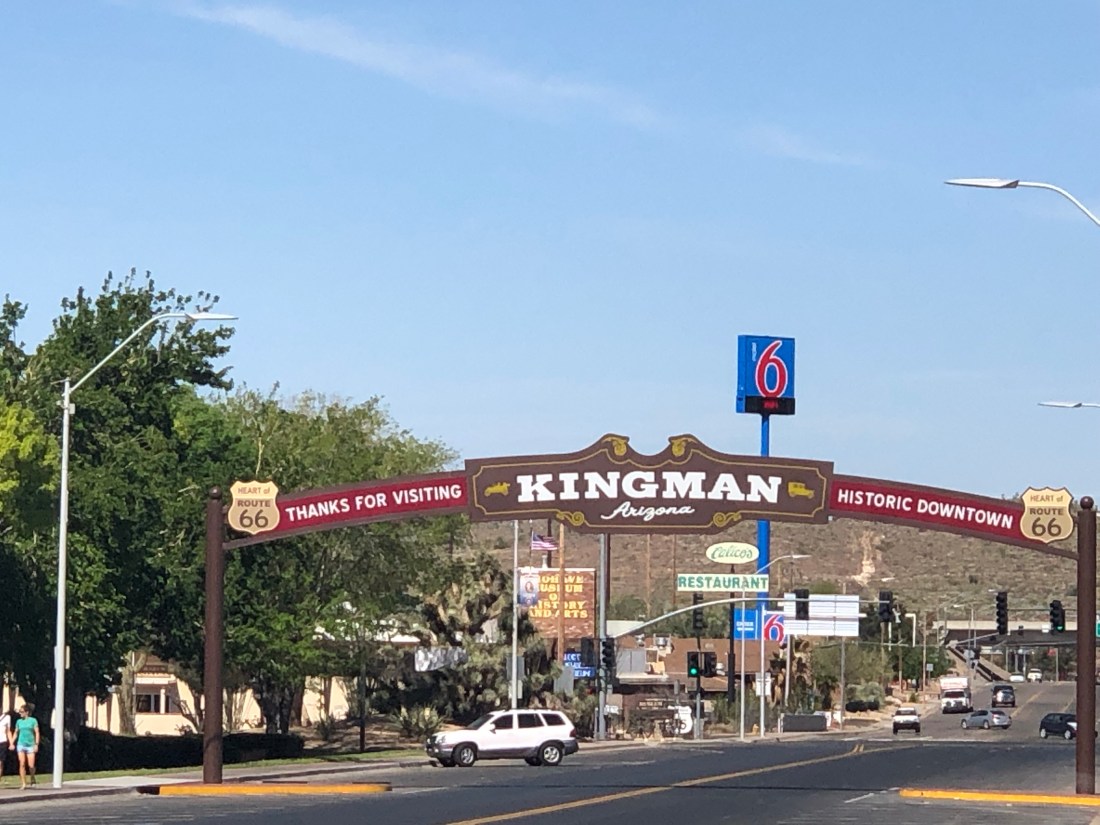
My next stop after Oatman was Kingman, Arizona. One of Kingman’s claim to fame is that it is the home of Andy Devine. Andy Devine was an American character actor known for his distinctive raspy, crackly voice and roles in Western films. He is probably best remembered for his role as Cookie, the sidekick of Roy Rogers. He also appeared alongside John Wayne in films like Stagecoach (1939), The Man Who Shot Liberty Valance and How the West Was Won (both 1962). The main street is named after him.
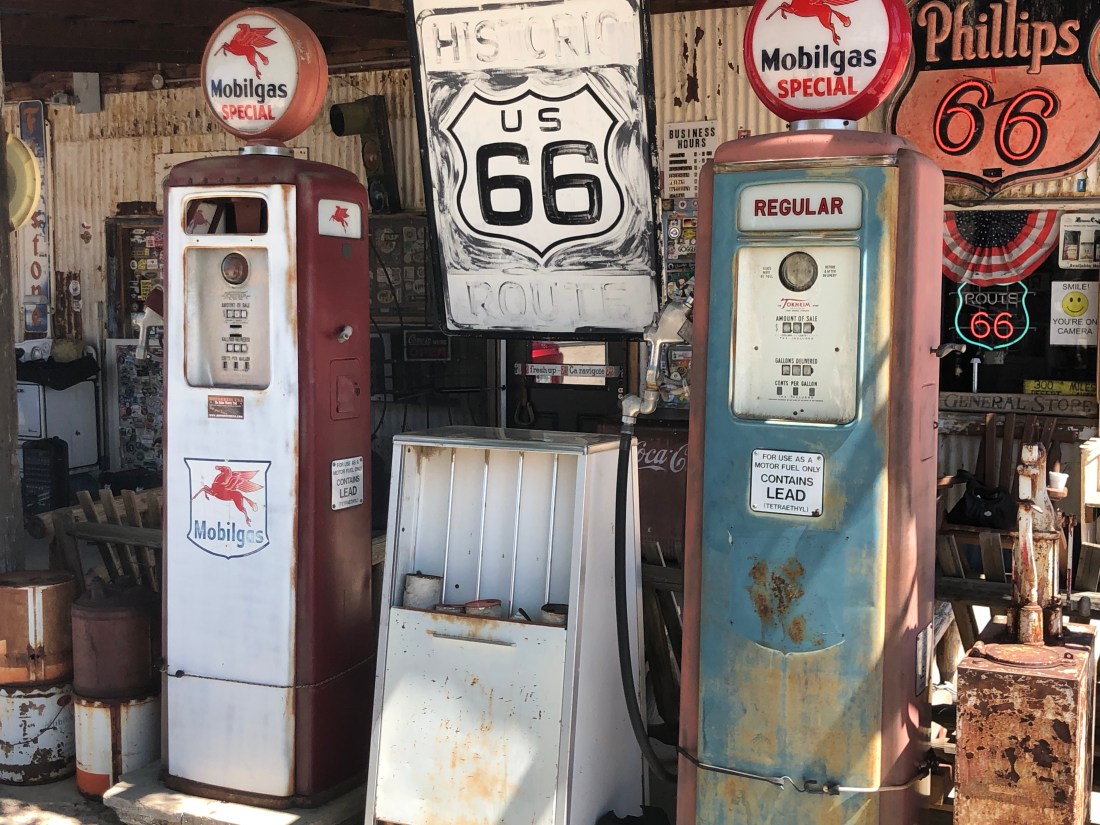
Moving on from Kingman, I stopped at the Hackberry General Store. The Hackberry General Store, located in Hackberry, AZ was a crucial gas station and store on the old Route 66 as it sat between Seligman and Kingman. Travelers needed to gas up in between the two larger towns. Today, the general store which is privately owned stands alone in the middle of nowhere. It only exists because it sits today on historic Route 66. But, it is offering one family a living and hiring people to man the store


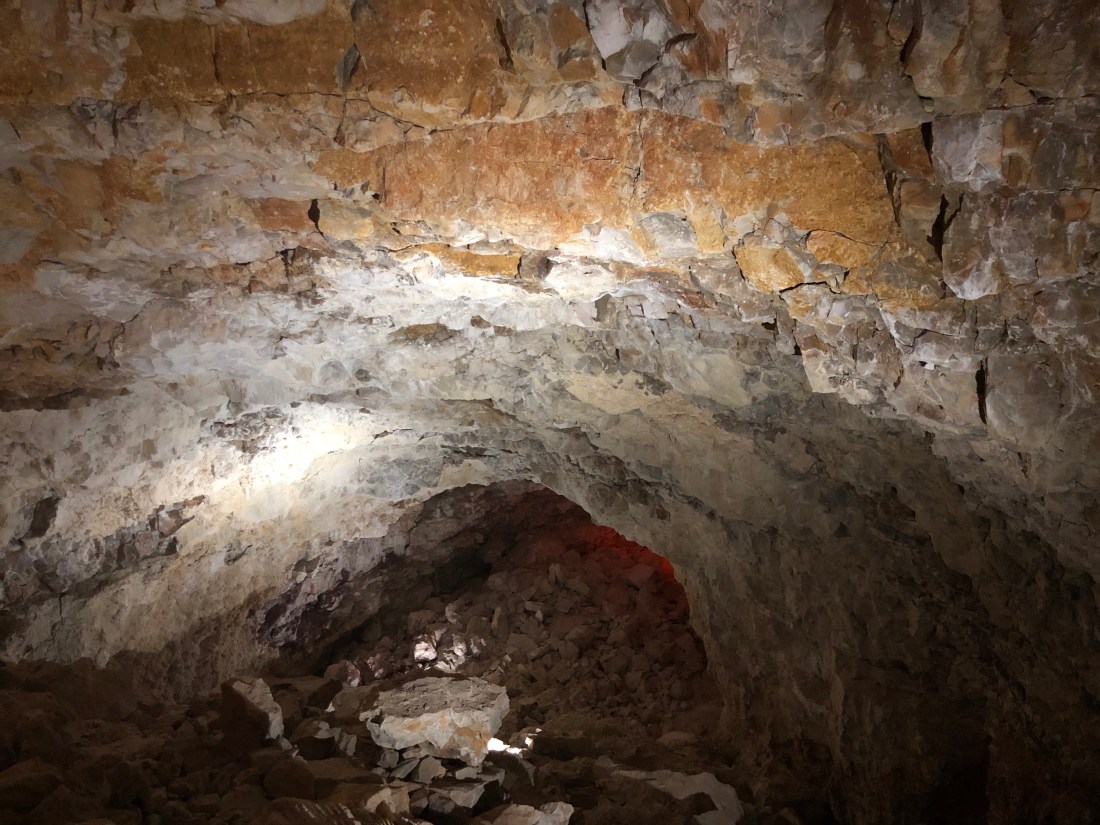
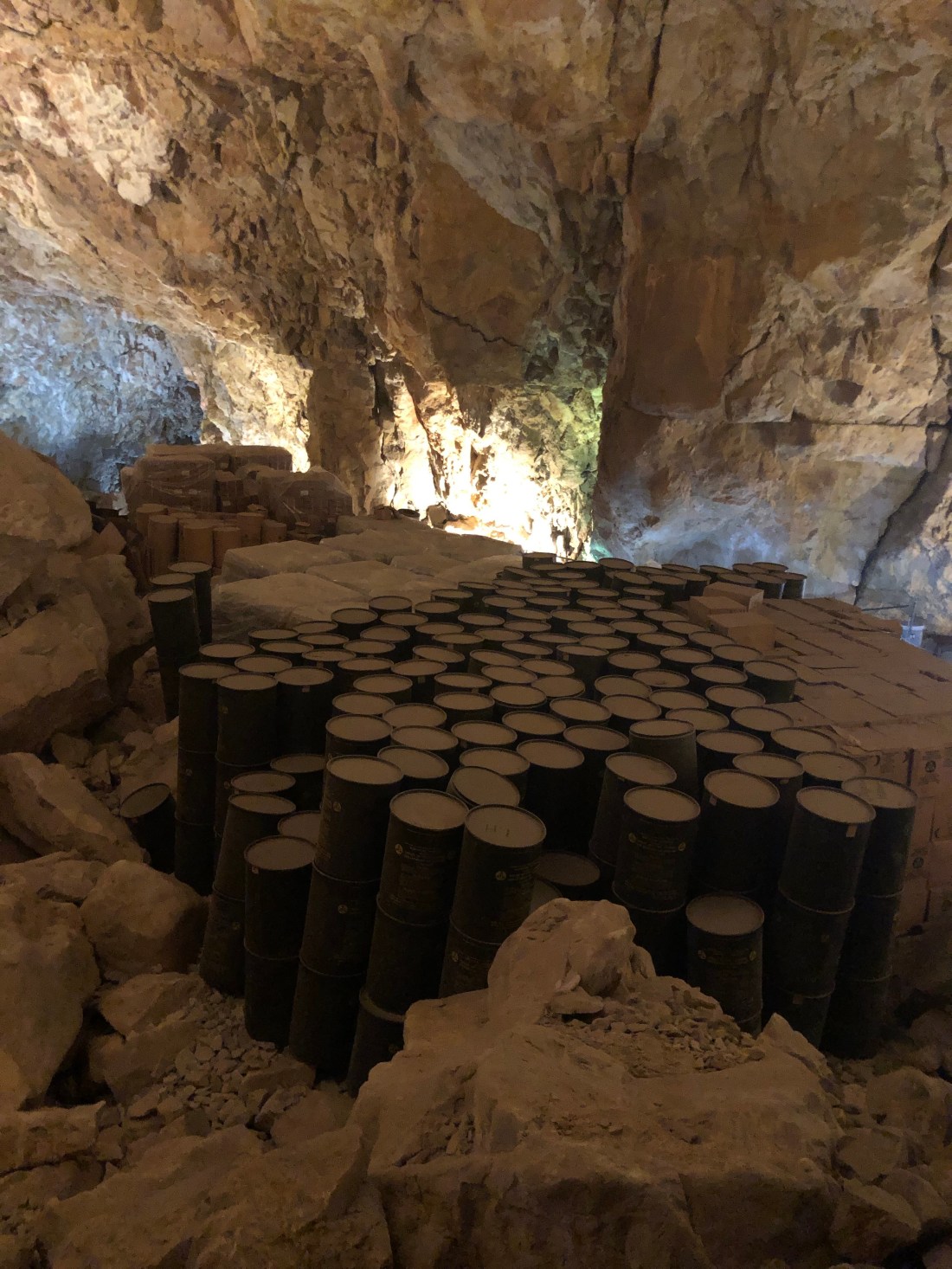
My next stop was the Grand Canyon Caverns, the largest dry cavern in the United States. This is a wild story and an example of how to turn lemons into lemonade.
 The Cavern was discovered by a Walter Peek in 1927 when he nearly fell down a hole leading into the cavern. The next day, he and friends returned and they lowered Walter into the cavern to explore.
Walter thought he had found the mother load of gold. He immediately purchased the property and began plans to mine the mineral. After the purchase and getting everything ready to bring the gold home, he found that his gold was iron oxide, or more commonly known as “rust.”
Peek, being an entrepreneur, then began to charge 25¢ to lower people into the cavern and allow them to explore the cave on their own. Unfortunately, Walter forgot that Uncle Sam likes a piece of the action in income tax. Walter failed to pay and the caverns were taken away and sold to a consortium of three owners. An elevator was added to allow easy access to the cavern.
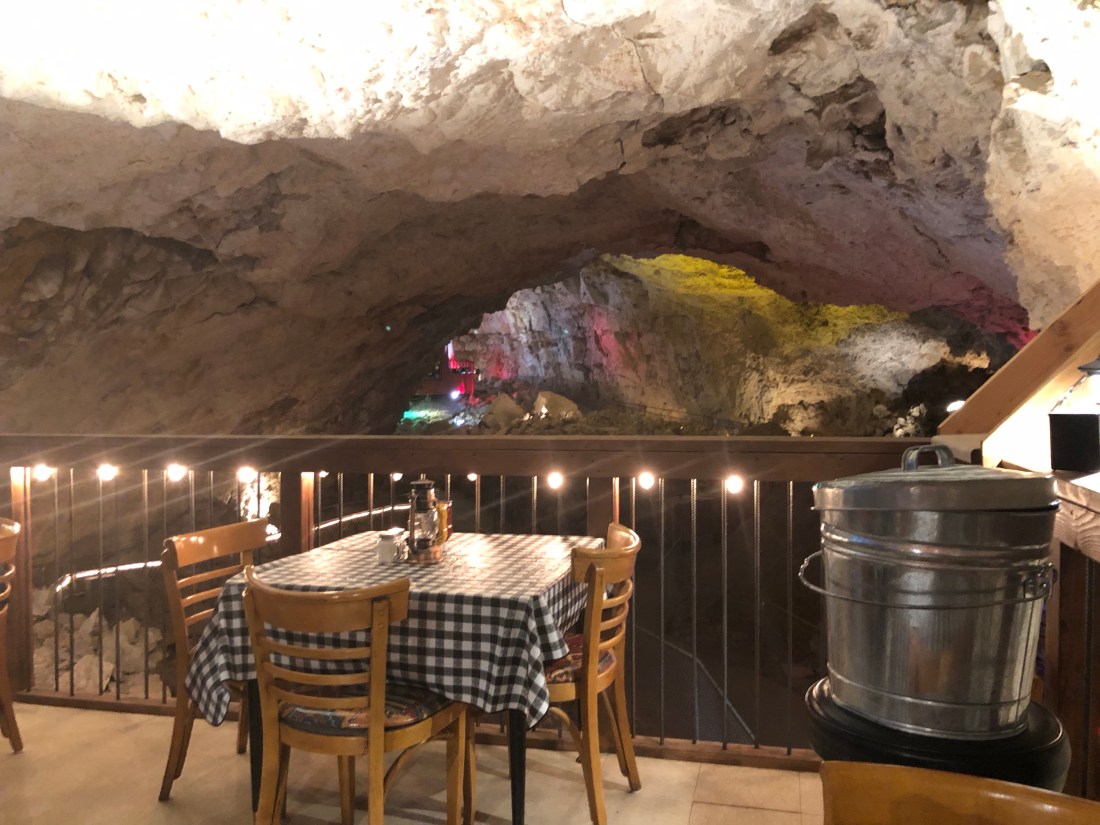
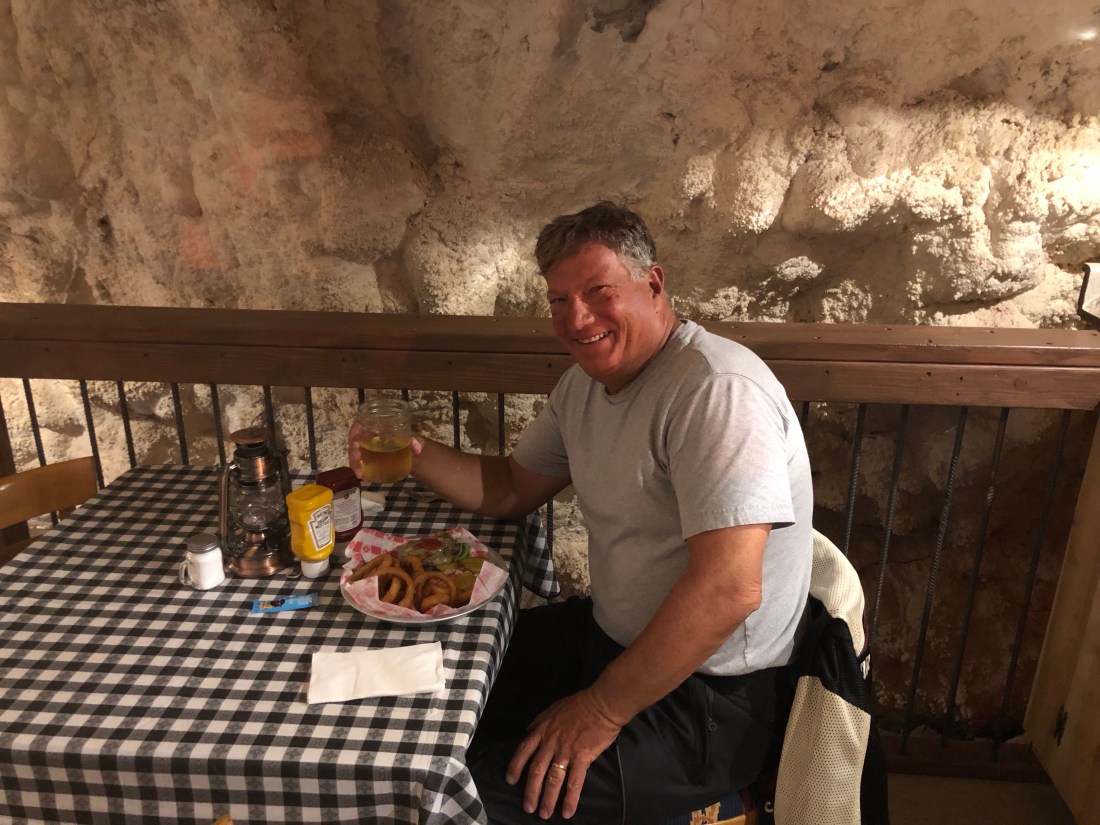
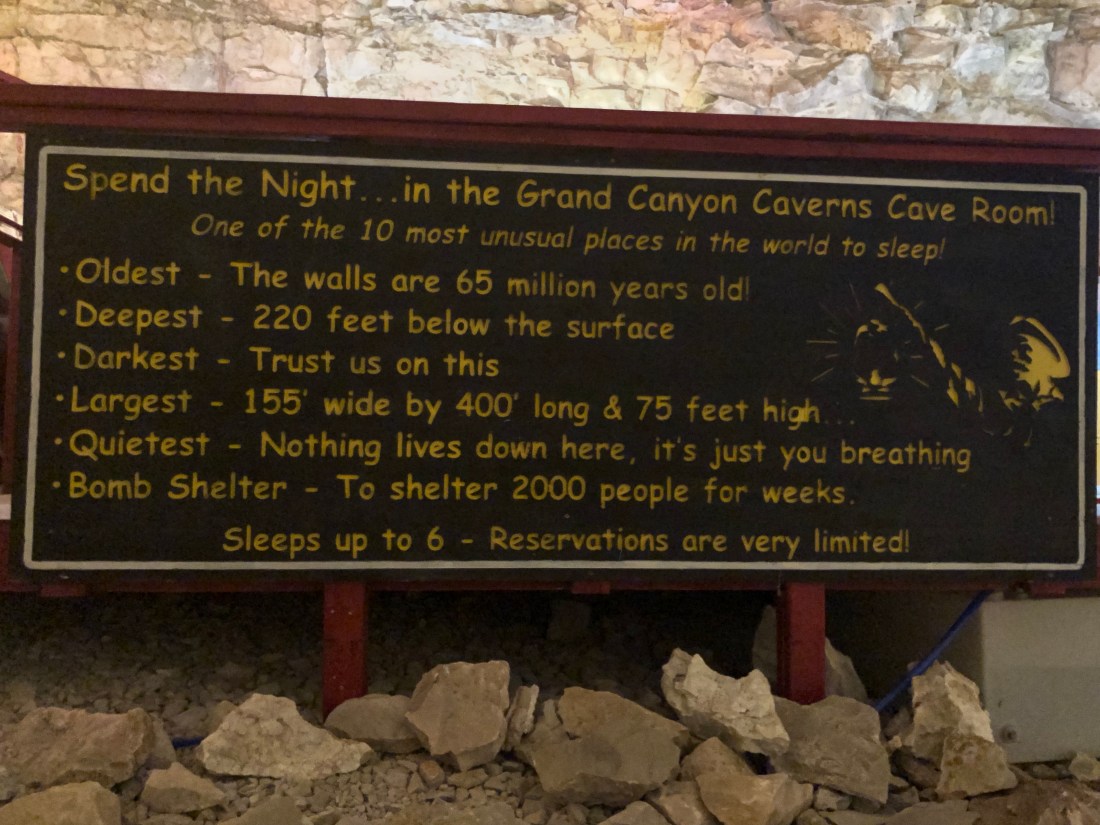
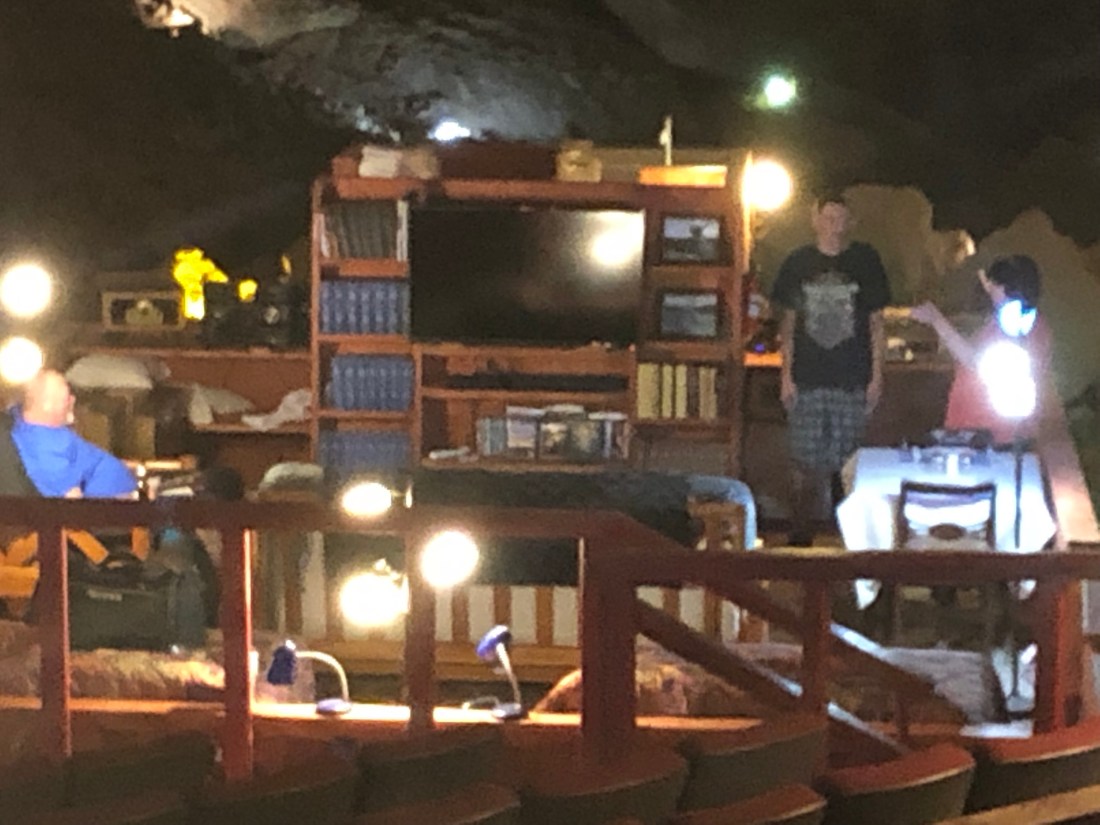
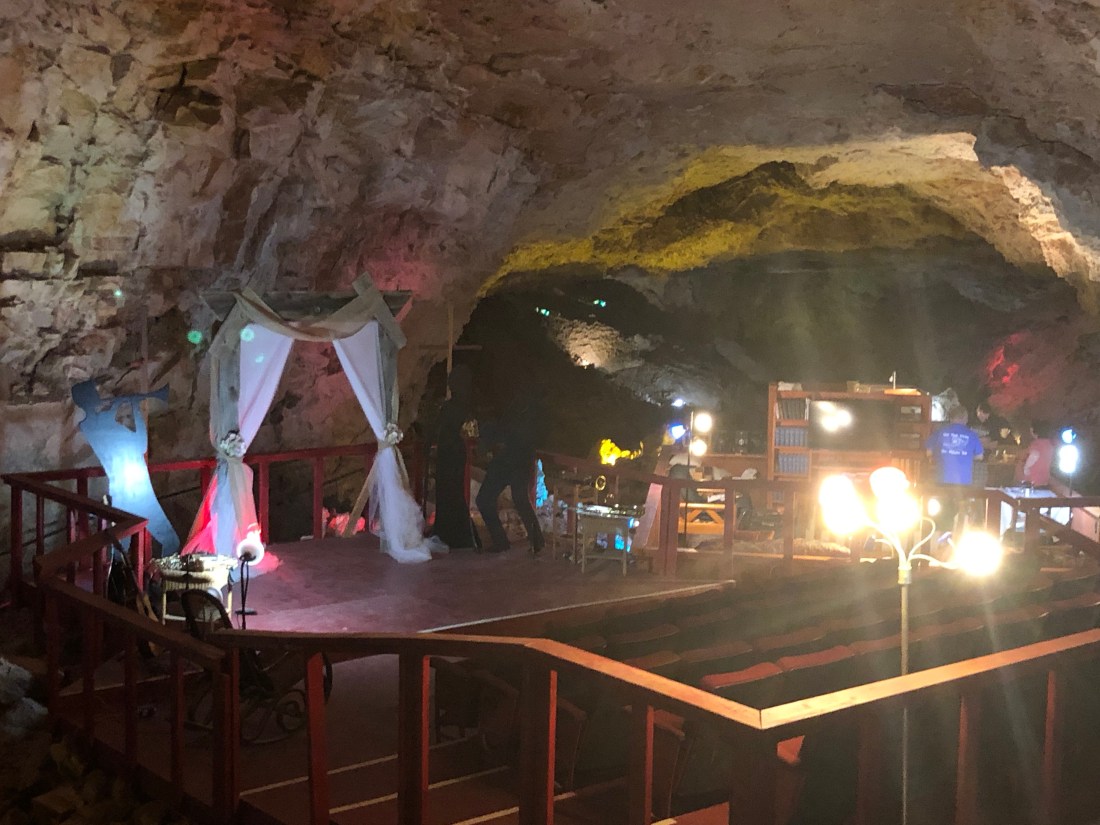
Today the cavern continues to be excavated and offers the opportunity to eat 210′ (approximately 21 floors) below the earth’s surface at the Cavern Grotto, to sleep in the cavern and even to get married. At a constant 57 °F (14 °C) with only 2 percent humidity year round, the caverns are an ideal preservation area.

While not many fossils have been found, they did find the remains of a giant and extinct ground sloth that lived around 11,000 years ago, when the woolly mammoth and saber-tooth cat roamed North America. Having fallen into the cavern, it was impossible for the animal to get out.

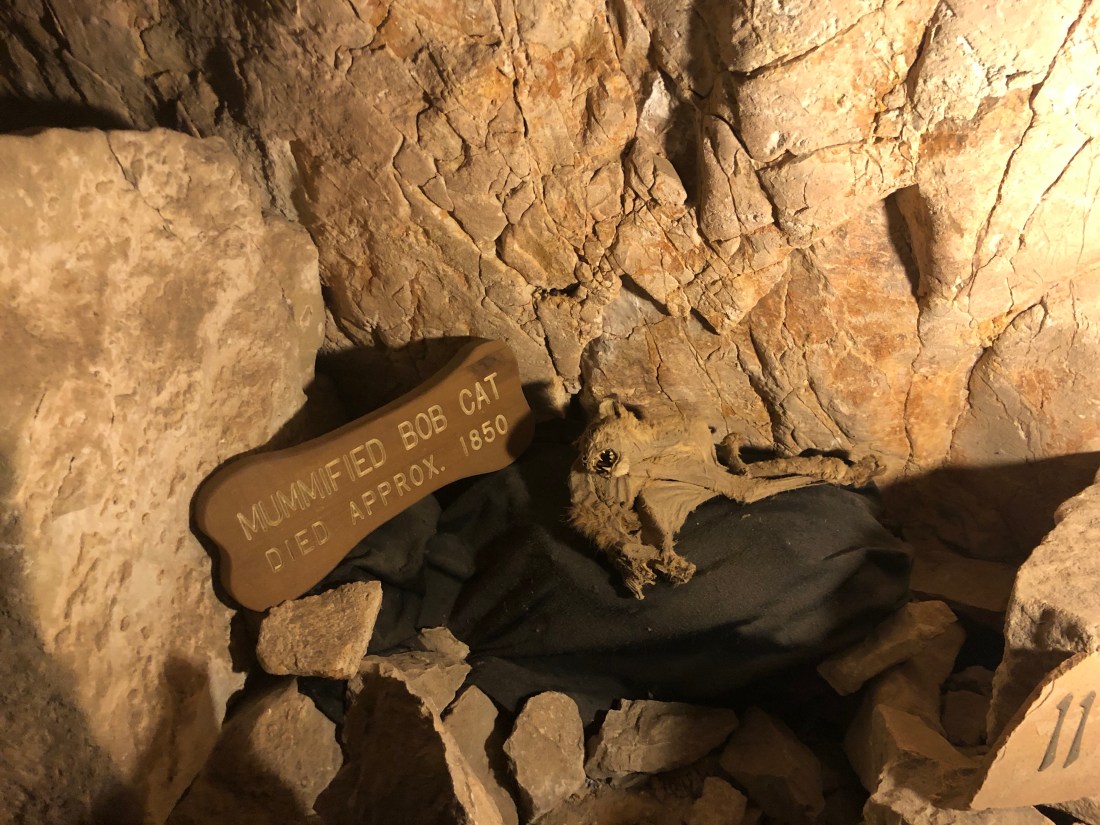
They also found a mummified Bob Cat – they did say that this was the real thing

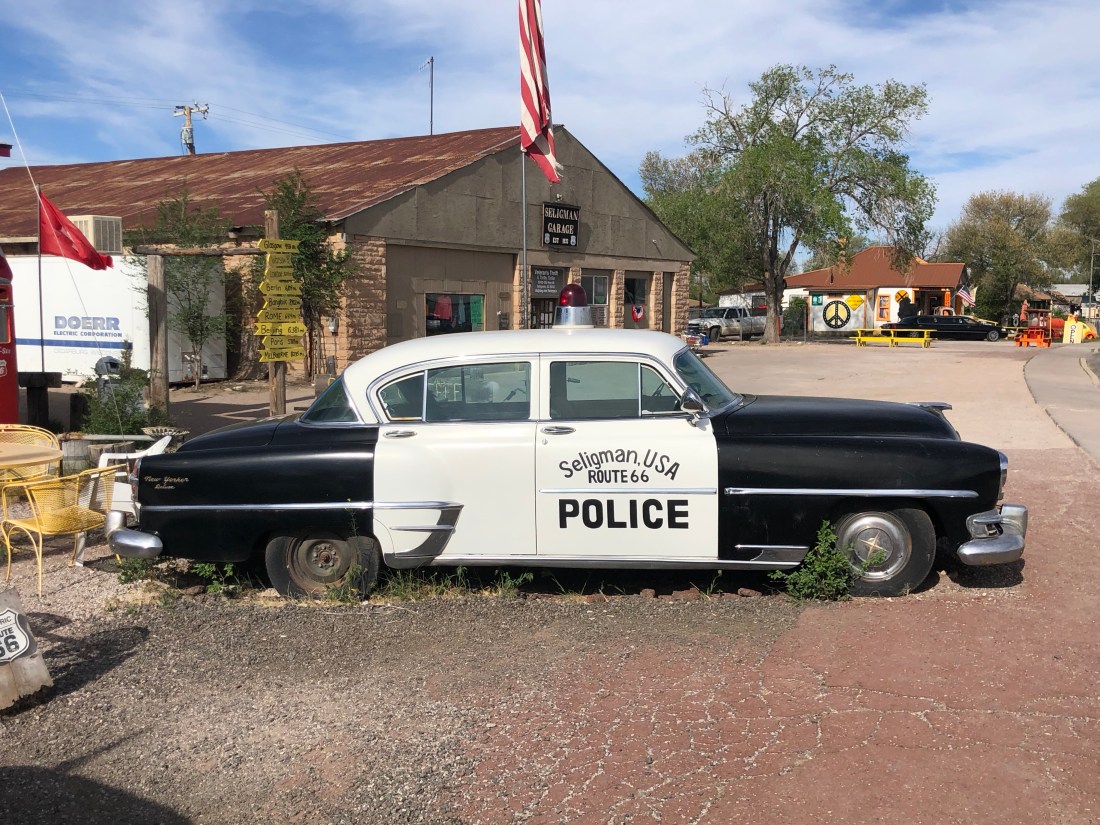
My last stop on Route 66 was the sleepy little town of Seligman, AZ. Seligman is another tourist town along Route 66, but with a twist.
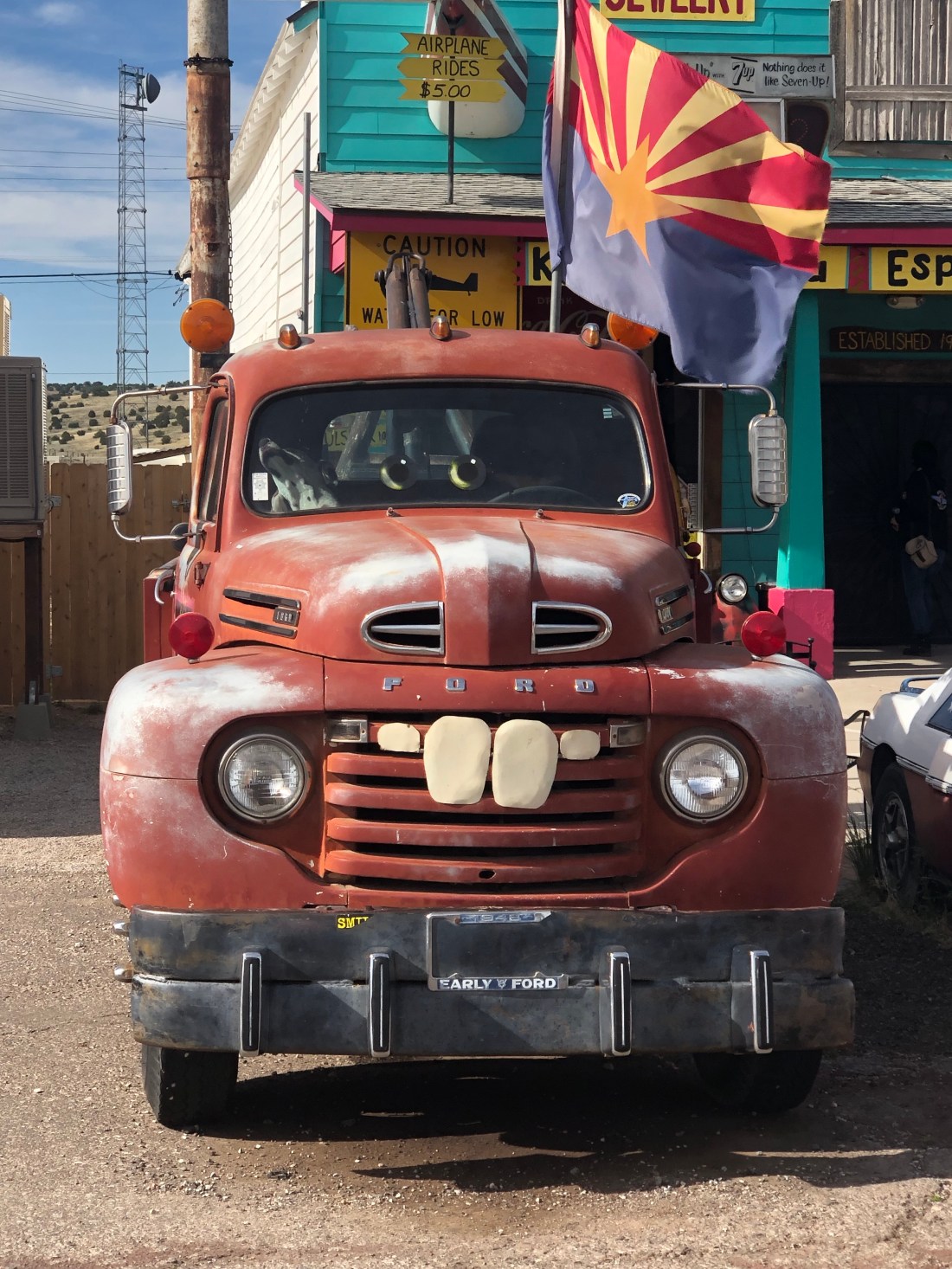
In 2000, Writer and Director of Pixar’s “Cars”, John Lasseter, hatched the Cars idea while taking a cross-country trip on Route 66 with his wife and five sons. Upon returning to work, he contacted Michael Wallis, a famous Route 66 historian. Wallis then took eleven Pixar animators on two different road trips across Route 66 to research the film.
The movie’s fictional town of Radiator Springs was inspired by several real-life locations along historic Route 66, most notably Seligman. To take advantage of the opportunity they have dressed a number of cars up like the characters. And the town remains a sleepy little town on Route 66




Having been born in the late 50s, I can appreciate some of the nostalgia offered by Route 66. But, I think my biggest take away is the perseverance of these towns and the people who live in places like Oatman and Seligman.
These tough Americans fight for their right to exist and look for opportunity in every detail. They ask for nothing and count on one another and themselves to keep the spirit of Route 66 and their towns alive.
Seligman brought me to the end of my Route 66 adventure and pretty much the end of my ride. It has been another incredible experience. Discovering the beauty of America’s national parks. Meeting proud, spiritual, Navajos who keep the sacred lands such as Monument Valley and Canyon de Chelly. Meeting other bikers and having my faith in the kindness of people reignited.
I also found time on the trails of Bryce and Zion, back roads of Canyonlands and other areas to stop and reflect on how fortunate and blessed I am. I am blessed with a wonderful family, my wife Catherine and my two daughters Emma and Sarah. I am blessed that all my girls are happy and healthy and pursuing their lives and dreams. I am blessed with my health and the love and support I receive to pursue my adventures, such as this ride.
I am off to Tucson to catch up with some dear Cowboy and Cowgirl friends of mine. Then, back up to Phoenix to drop off my bike so that it can be trucked back to Connecticut. I fly home at the end of this week.
I have greatly enjoyed writing these blogs and I graciously thank you for sticking with me. I hope that you have enjoyed reading my blogs and at some level, you have had a visceral thrill with the pictures and stories of our great land and her people.
Thank you again, Keep Wheeling! – Until next time.

 Cruising with Kramer
Great last blog. Now get on home.
Sent from my iPhone
>
LikeLike
Love you. Can’t wait to get home.
LikeLike
What an amazing trip!!!
LikeLiked by 1 person
Thanks Amy – yes it was and it is nice to be home again
LikeLike